
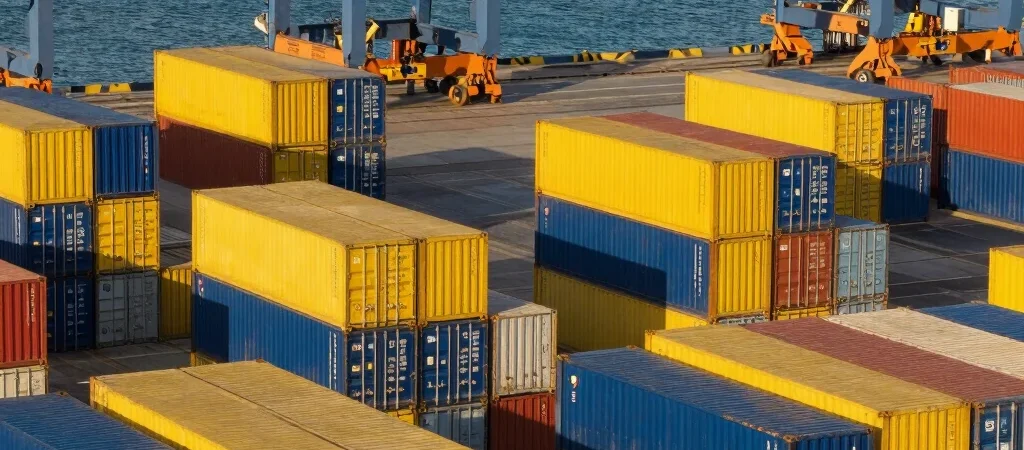
Across major economic corridors from West Africa to the East African Community, logistics networks are undergoing a profound structural shift. Port authorities and regional freight companies are moving beyond legacy transit routes, opting instead for integrated overland corridors that reduce transit delays. This evolution is enabling medium-scale enterprises to scale operations across borders with greater predictability.
Streamlining Border Crossings and Payment Rails
The harmonization of customs protocols alongside digital payment clearing systems has reduced administrative friction at major border posts. Commercial transporters now spend significantly fewer days waiting for cargo clearance, which directly translates into lowered operational costs and stabilized retail pricing. Financial institutions are simultaneously expanding localized clearing mechanisms, ensuring that cross-border settlements occur without heavy reliance on third-party reserve currencies.
Realigning Logistics Infrastructure for Regional Demand
Investment is increasingly shifting toward secondary transit hubs, creating robust feeder networks that connect agricultural belts directly to urban consumer markets. Cold-chain storage facilities near regional rail terminals are reducing post-harvest losses while providing manufacturing centers with consistent raw materials. These tactical infrastructure upgrades demonstrate how localized capital allocation can fortify domestic supply chains against global market volatility.
What Strategic Investors Are Monitoring Next
For corporate leaders and market analysts, the focus now turns toward long-term policy consistency and regional regulatory alignment. Maintaining open commercial channels will require ongoing commitment from municipal authorities and transport federations alike. Executives who adapt their operational footprint to leverage these emerging trade arteries will be best positioned to capture sustainable growth across the continent.