
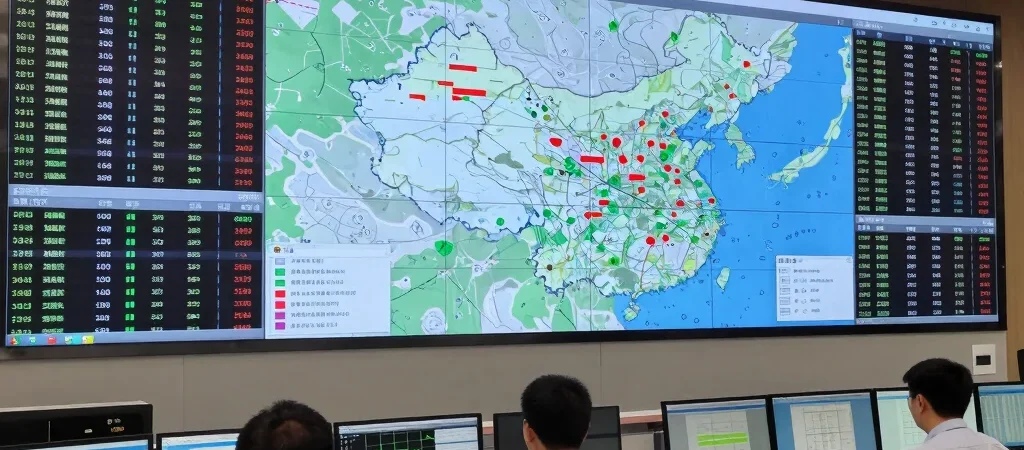
Energy security has emerged as a central pillar of political stability and economic sovereignty across regional blocs. As industrial zones expand, governments are shifting away from isolated national energy grids toward interconnected power pools that allow for real-time surplus sharing. This transition demands sophisticated political coordination and transparent regulatory oversight to balance regional demands effectively.
Aligning National Regulatory Frameworks
Establishing a unified power distribution network requires aligning tariff structures, grid standards, and environmental compliance policies across participating nations. Legislative bodies are reviewing power purchase agreements to ensure long-term fiscal viability for both public utilities and private infrastructure developers. This legislative momentum reflects a pragmatic recognition that energy independence requires collective regional resilience.
Mitigating Supply Volatility Through Shared Resources
Interconnected grids allow regional power pools to buffer localized generation shortfalls caused by seasonal weather variations or maintenance downtime. When hydro generation experiences seasonal dips in one region, solar and natural gas facilities in neighboring territories can seamlessly offset the deficit. This cooperative framework minimizes industrial blackout risks and provides steady power essential for modern manufacturing hubs.
Key Governance Priorities for the Coming Decade
To sustain this momentum, policymakers must establish clear dispute-resolution mechanisms and independent regulatory bodies to oversee market operations. Prioritizing grid modernization alongside transparent governance will build investor confidence and secure energy equity for growing urban populations. The success of these initiatives will serve as a crucial benchmark for pan-African infrastructural collaboration.